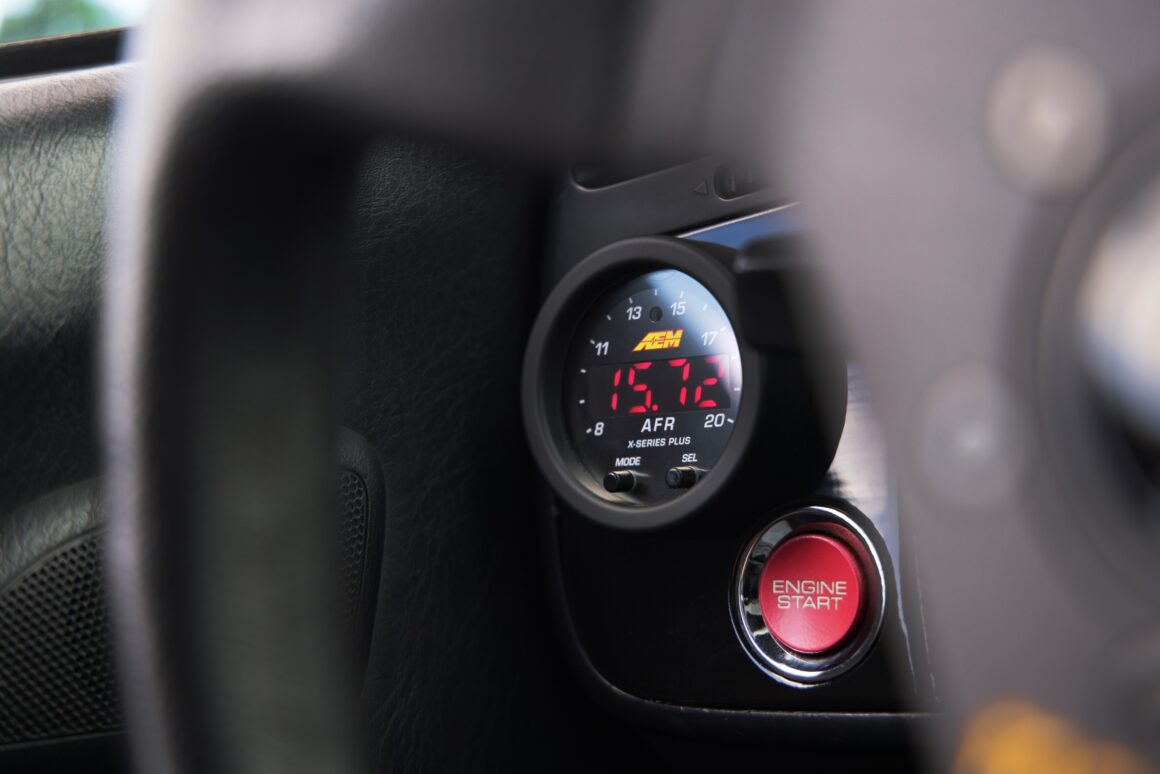
Why exhaust manifold pressure matters, what it tells us about turbocharger performance, and how AEM’s new back pressure compensation feature changes the conversation.
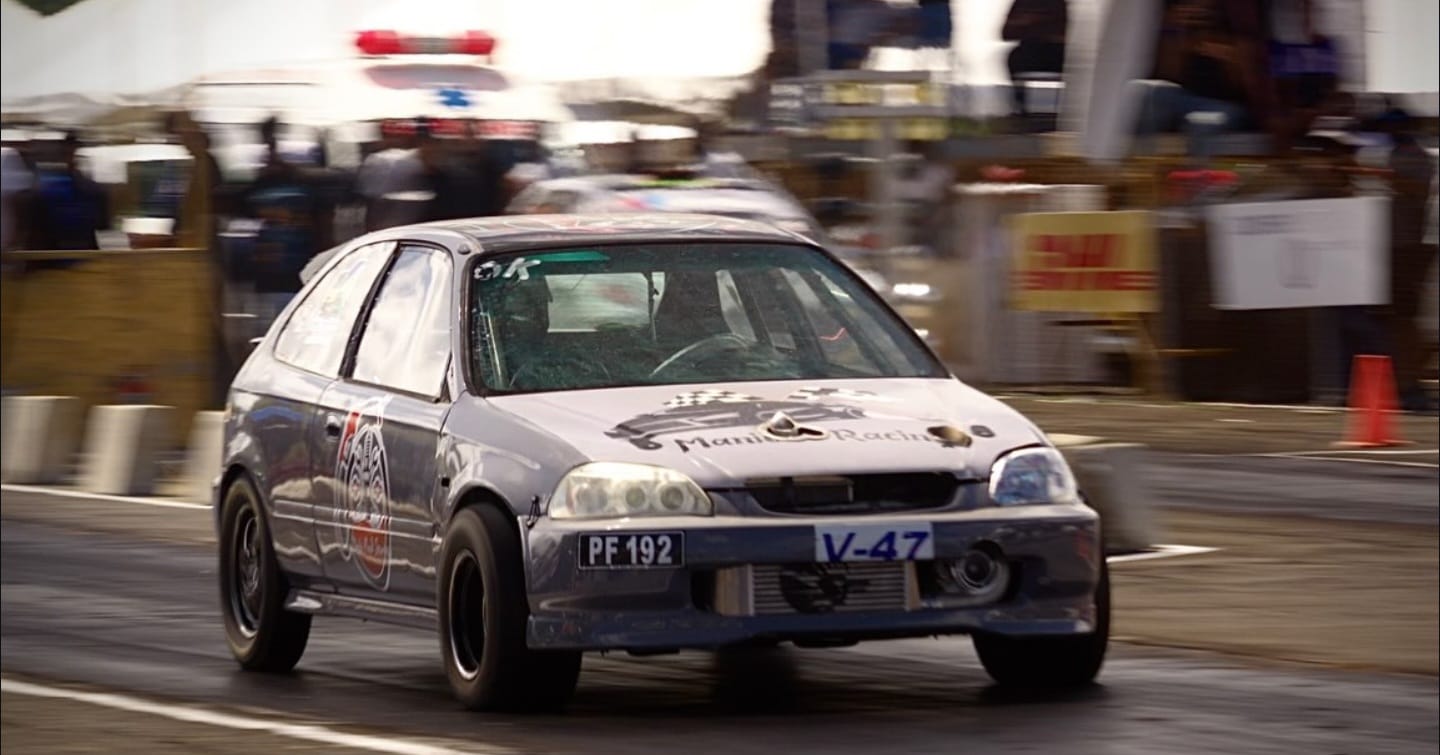
For more than 15 years, we’ve been using and recommending AEM widebands to enthusiasts and racers throughout the Caribbean. From relatively simple street cars to more serious turbocharged combinations, they’ve generally offered the sort of functionality and affordability that makes them an easy recommendation.
That doesn’t mean they’ve been without their shortcomings.
The cost of replacement oxygen sensors and how well those sensors survive demanding conditions have always been considerations. We’ve also dealt with grounding-related inaccuracies on some of AEM’s other pressure gauges over the years. Proper installation matters, regardless of what name is on the box.
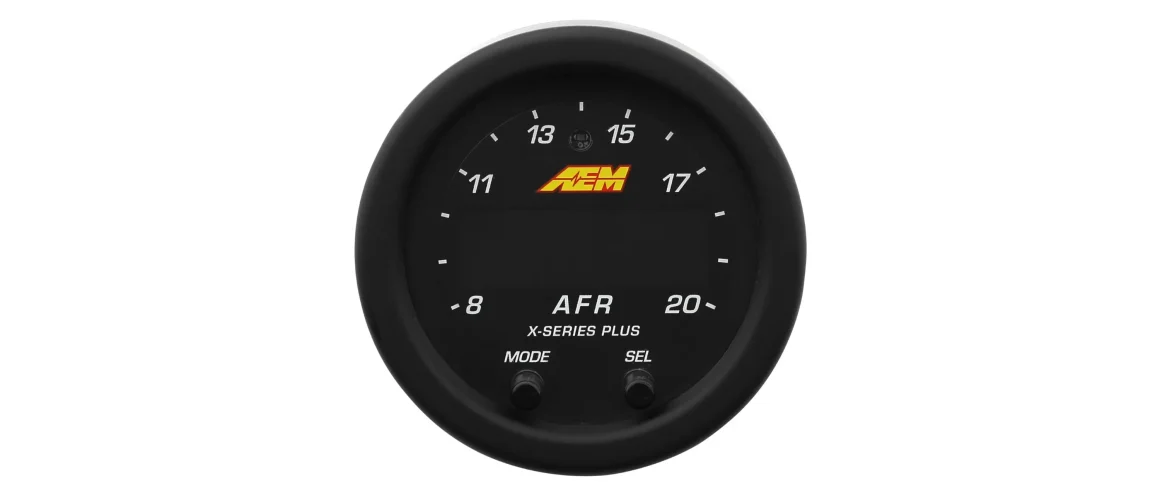
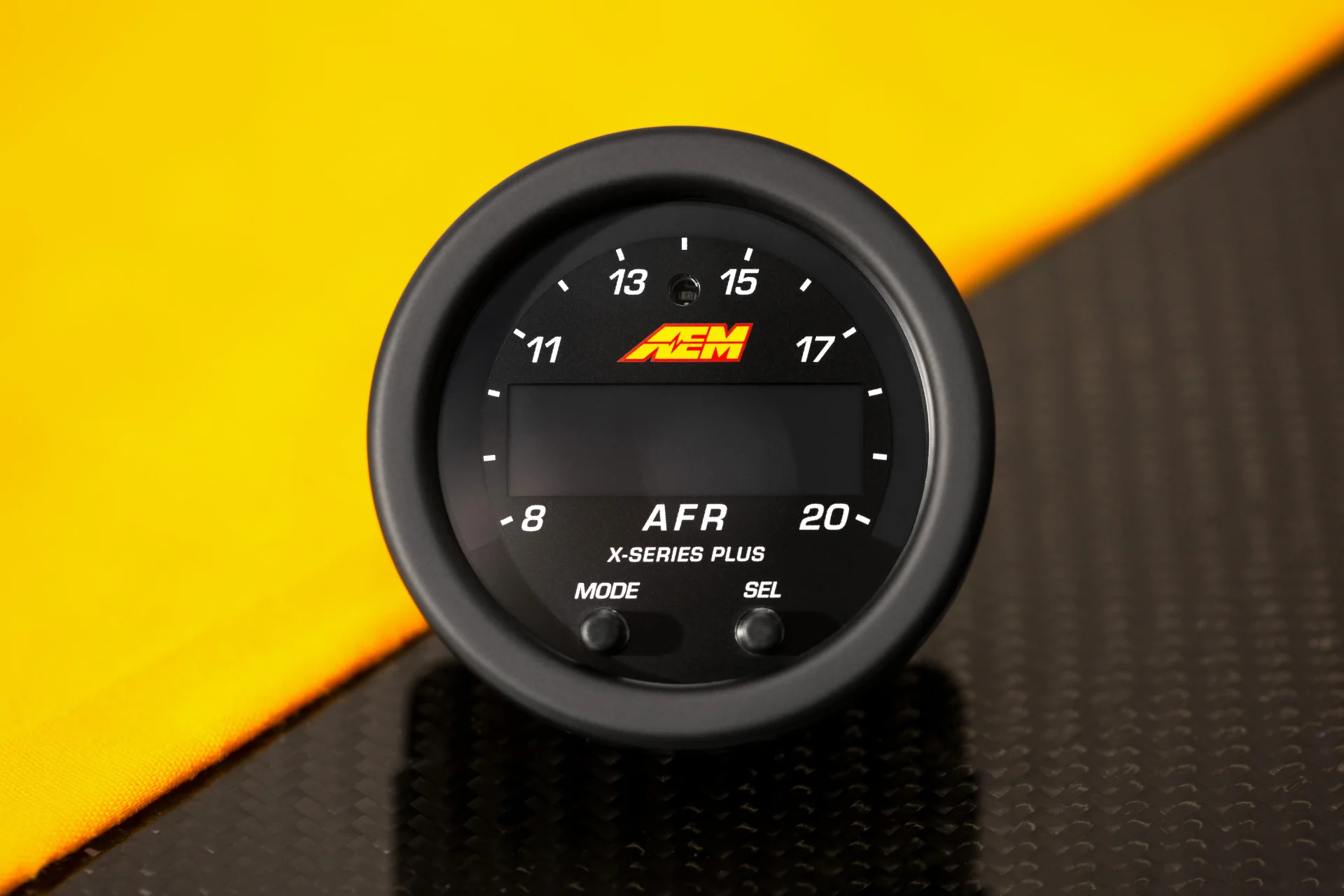
So when AEM announced the new X-Series Plus Wideband, there were a few improvements we were pleased to see.
A faster controller? Good.
Better sensor protection? Even better, considering the cost of replacing a damaged sensor.
But one feature stood out more than the others.
Exhaust backpressure compensation.
Not necessarily because it’s something every racer needs, but because it brings attention to a subject we’ve been discussing for years, one that the average performance enthusiast is only now beginning to appreciate.
Everyone Knows Their Boost. What About EMAP?
Spend enough time around turbocharged cars and you’ll notice something. People love talking about boost pressure. It might be 20 PSI on a street car, 30 PSI on a stock-appearing turbo setup, or significantly more on a dedicated race engine. But there’s a lot more to making power than how much pressure appears on the boost gauge.
We regularly encounter cars where owners want to extract everything possible from the factory turbocharger or maintain a stock-appearing combination. That’s understandable. Sometimes the challenge is making the most of what you already have, rather than replacing everything. The problem is that as airflow demand increases, the exhaust side of the turbocharger can become a significant limitation. And one of the measurements that helps reveal that limitation is EMAP.
EMAP stands for Exhaust Manifold Absolute Pressure. It’s the pressure in the exhaust manifold, measured before the turbine on a turbocharged engine. While boost pressure tells us what’s happening on the intake side, EMAP helps us understand the conditions on the exhaust side. The turbocharger needs exhaust energy to drive its turbine, but the turbine also creates a restriction that the engine must work against.
As that restriction increases, so can exhaust manifold pressure. And there’s a point where adding more boost may not produce the improvement in engine airflow or power that an enthusiast expects.
When Volumetric Efficiency Starts Falling Away
This is something we’ve paid particular attention to when tuning stock turbochargers and stock-appearing combinations. As an engine begins approaching the practical limits of its turbocharger and exhaust-side configuration, it’s not unusual to see its calculated or modeled volumetric efficiency start falling away. In a speed-density tuning environment, that can become quite apparent in the VE table. Now, a falling VE trend doesn’t automatically prove excessive exhaust backpressure. Intake temperatures, camshaft behavior, intake restrictions, engine calibration and other factors also need consideration.
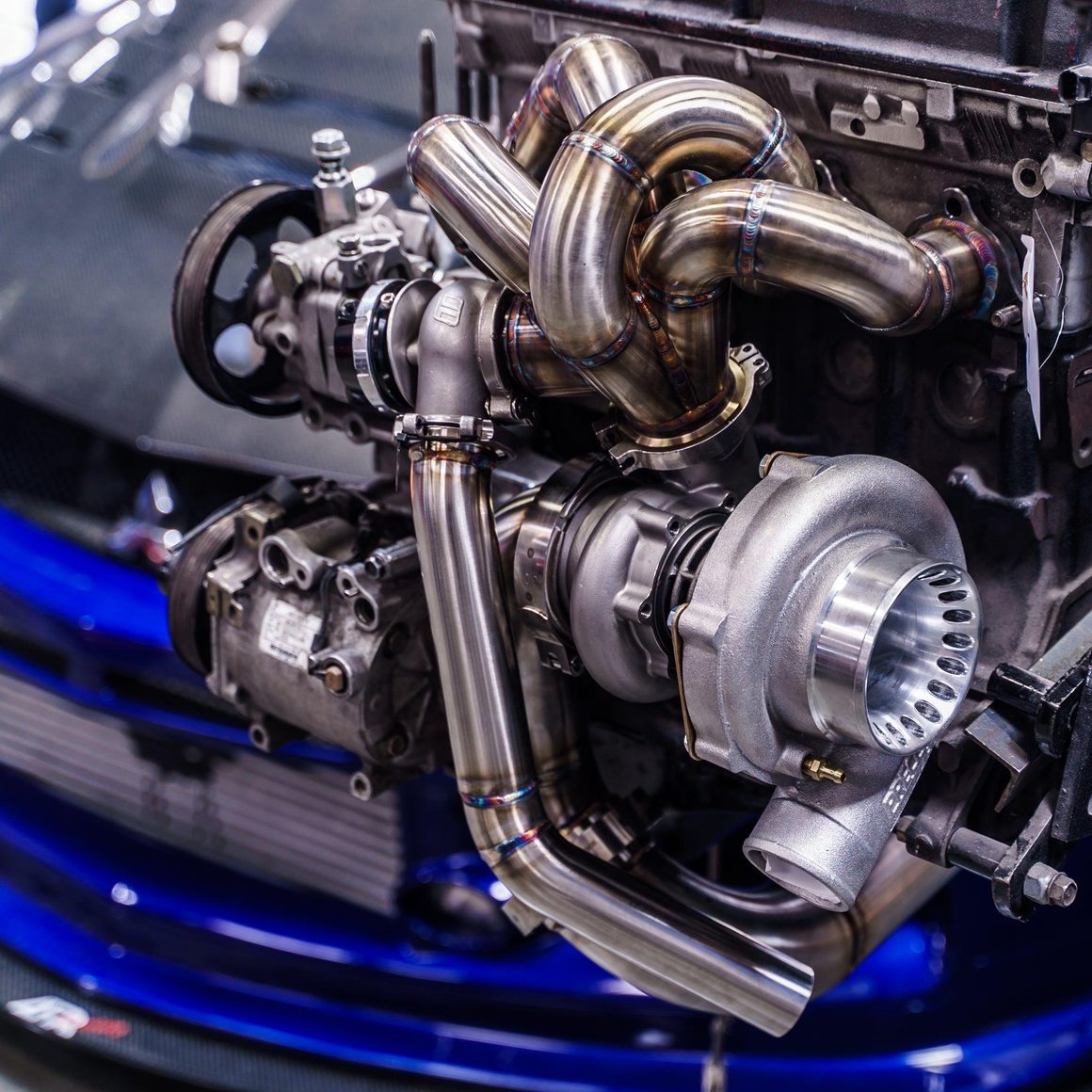
But when the airflow numbers stop responding as expected and the engine appears to be working harder for increasingly smaller gains, exhaust manifold pressure is one of the things we want to investigate.
Why?
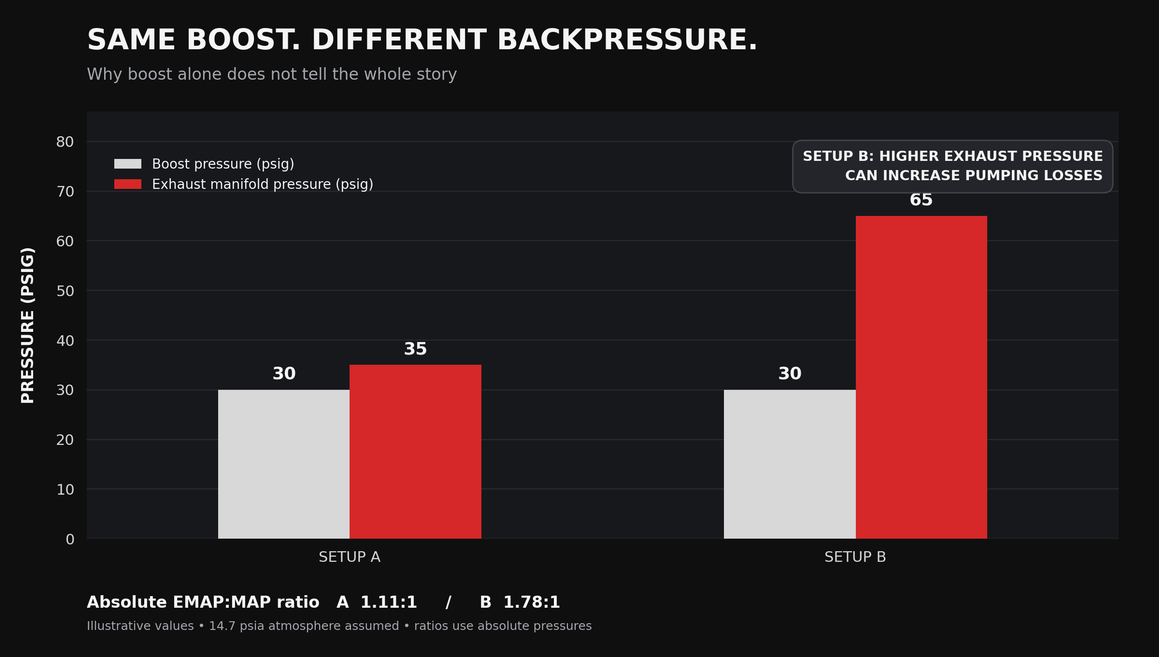
Because high exhaust pressure can interfere with the engine’s ability to clear the cylinders effectively during the exhaust stroke. Depending on the camshaft and valve timing, it can also increase the amount of residual exhaust gas left behind for the next combustion cycle. That affects how much fresh charge the engine can effectively take in. The result can be reduced volumetric efficiency, increased pumping losses, and less power than the boost figure might lead you to expect. This is one reason we’re not particularly interested in looking at boost pressure in isolation.
Boost is a pressure measurement, not a direct measurement of how much air the engine is flowing.
Two engines operating at the same boost pressure can have very different airflow, efficiency and power output.
Your Turbocharger Doesn’t Work in Isolation
There’s another point worth making here. Whenever EMAP comes up, the conversation tends to focus almost entirely on turbocharger size or turbine housing A/R. Those things matter, but they aren’t the entire story. Camshaft selection, valve overlap, cylinder-head flow, exhaust manifold design, intake manifold characteristics and the engine’s operating speed all influence how the combination behaves.
For example, a camshaft with significant overlap can behave quite differently depending on the pressure relationship between the intake and exhaust manifolds. When exhaust pressure is substantially higher than intake pressure during overlap, conditions can encourage exhaust gas to flow back toward the cylinder or intake port rather than promoting effective scavenging. And changing the turbine housing to reduce exhaust restriction involves trade-offs. A larger housing may reduce exhaust pressure at high airflow, but it can also affect turbine response and power delivery. Whether it’s an improvement depends on the overall combination, not simply the housing’s size.
We’ve seen enough tuning situations to know that the expected result isn’t always what happens. Which is exactly why measuring and logging what’s happening is better than relying entirely on assumptions.
So Where Does the New AEM X-Series Plus Fit In?
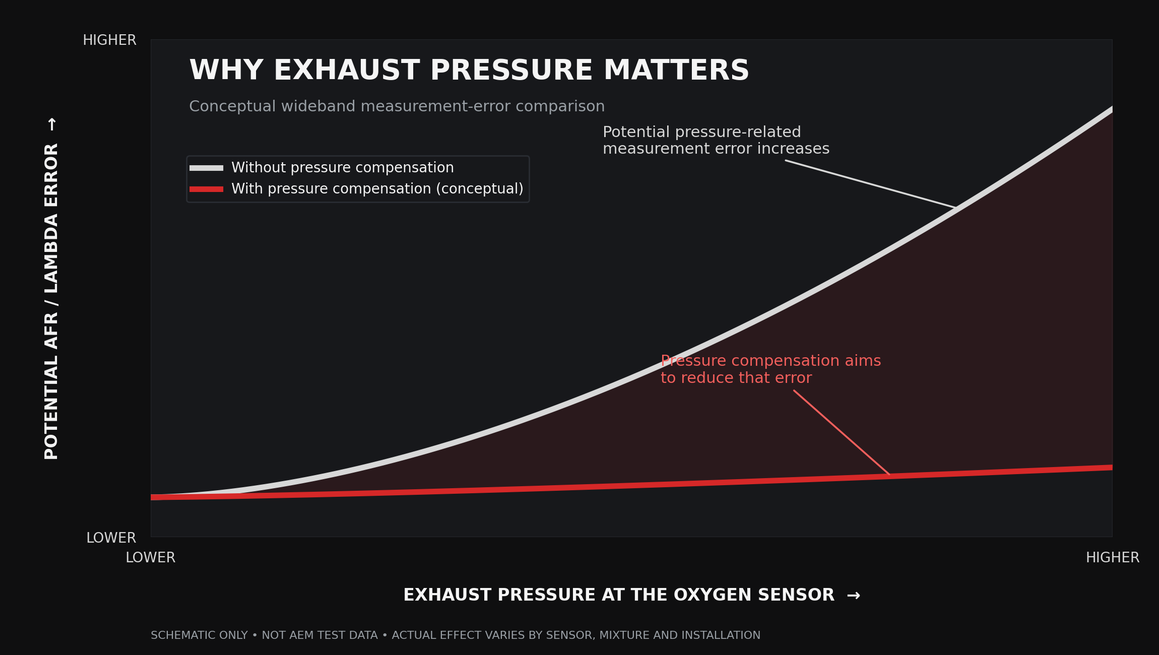
This is where AEM’s latest wideband becomes interesting. Most enthusiasts understand that a wideband oxygen sensor provides air/fuel ratio information. It’s one of the first things we recommend when someone starts modifying and tuning an engine. But what many people don’t realize is that exhaust pressure can influence a wideband oxygen sensor’s reading. This is particularly relevant when a sensor is installed upstream of the turbocharger, where pressures can be considerably higher than those normally encountered in a post-turbine installation.
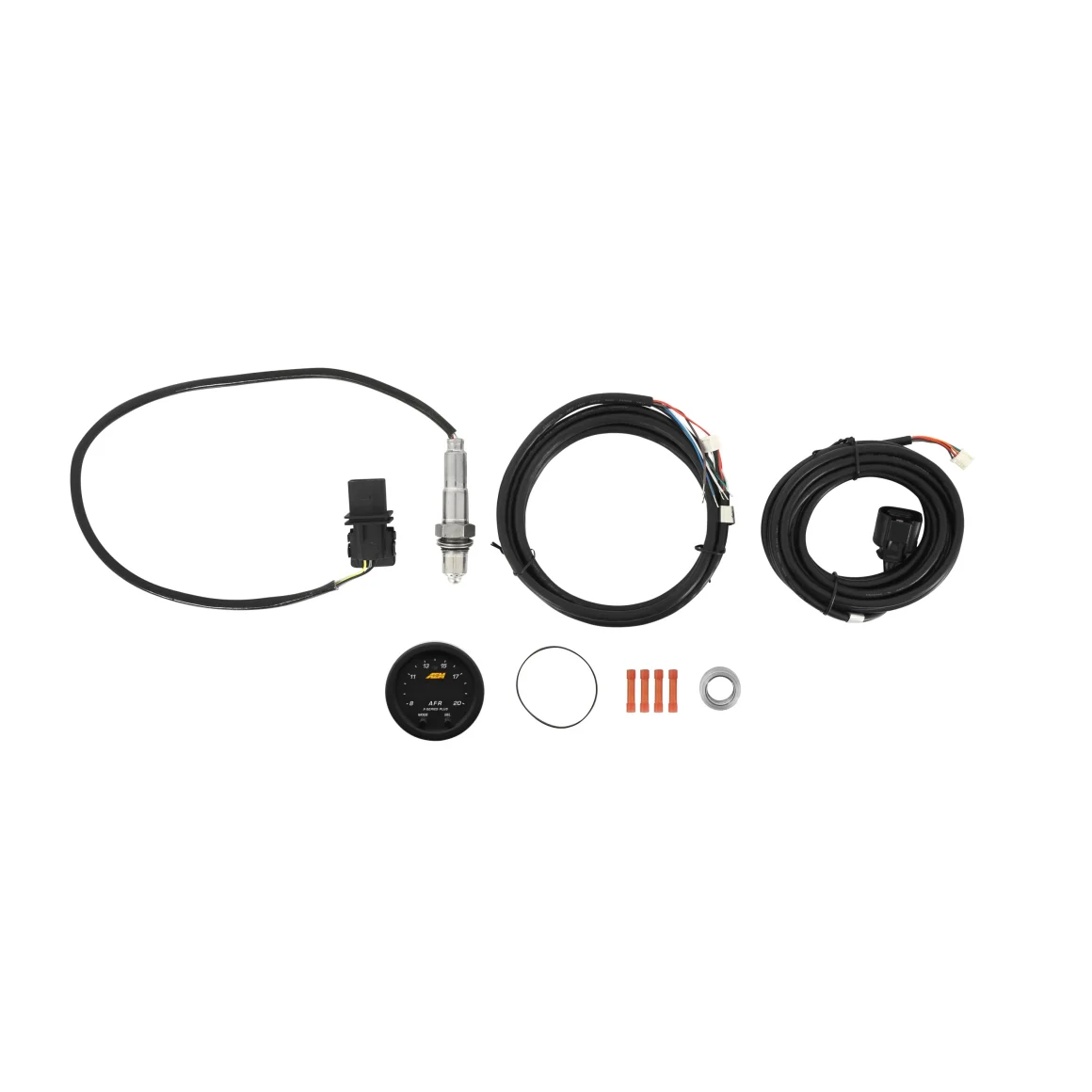
Under those conditions, a change in exhaust pressure can influence what the sensor reports, even when the actual mixture hasn’t changed to the same extent. The X-Series Plus introduces optional exhaust backpressure compensation, allowing the controller to account for that pressure-related measurement effect. Using AEM’s optional exhaust pressure sensor hardware, the system can compensate its AFR calculation when the wideband sensor is exposed to elevated exhaust pressure.
That doesn’t make the gauge a replacement for a dedicated EMAP logging system. But it does address something important: the accuracy of a measurement we’re using to make tuning decisions. For the average street car running a conventional post-turbo sensor installation, this might not be the feature that sells the new gauge. For an enthusiast pushing a more demanding combination, particularly one where sensor placement and exhaust pressure are significant considerations, it’s worth a closer look.
The Other Improvements Are Worth Talking About Too
AEM has also improved several aspects of the X-Series platform. The new X-Digital controller is approximately 10% faster, according to AEM. The original X-Series was already a quick wideband, so we’re interested to see how noticeable that improvement will be in practice.
There’s also improved sensor protection through AEM’s Smart Power system, which manages sensor startup and warm-up to help avoid condensation-related thermal shock. This is something we appreciate.
Oxygen sensors aren’t particularly cheap to replace, and the demanding environments found in motorsport don’t make their lives any easier. Anything that can reduce premature failure without compromising measurement accuracy is welcome. The Plus uses AEM’s motorsport-grade FAE oxygen sensor, which AEM claims can provide up to three times the service life of a conventional Bosch LSU 4.9 in severe conditions.
The FAE sensor itself isn’t exclusive to the Plus, having appeared in later original X-Series units, but the updated sensor-management strategy is a meaningful development. The new model also simplifies installation through direct battery wiring and automatic engine-operation detection. And for anyone who’s spent time troubleshooting electrical issues, the installation details are just as important as the advertised specifications.
Would We Recommend It?
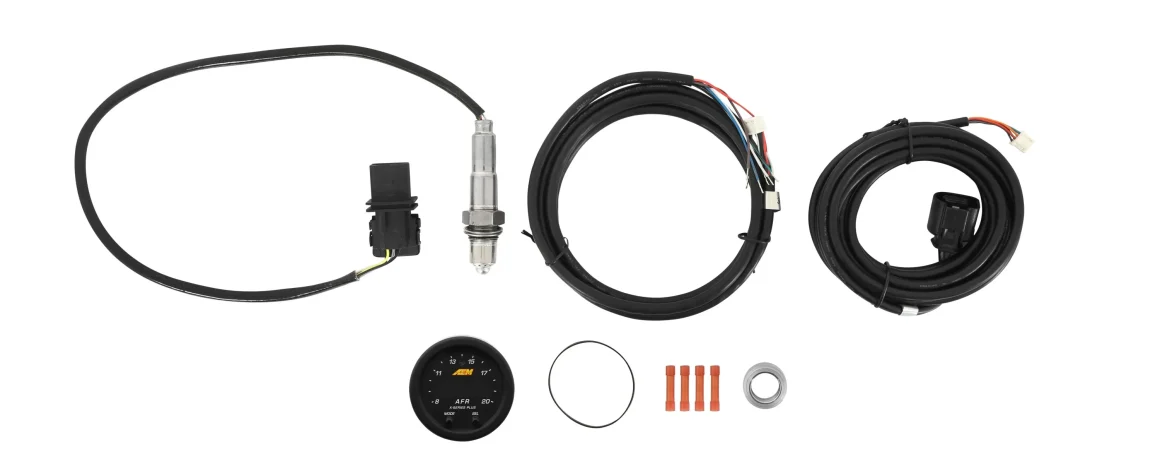
For someone with a mostly stock car who simply wants to monitor AFR, the original X-Series remains a very capable product. We wouldn’t suggest replacing a perfectly functioning gauge simply because a newer model exists. However, for enthusiasts building more demanding turbocharged combinations, or someone purchasing a new wideband for a serious project, the X-Series Plus deserves consideration.
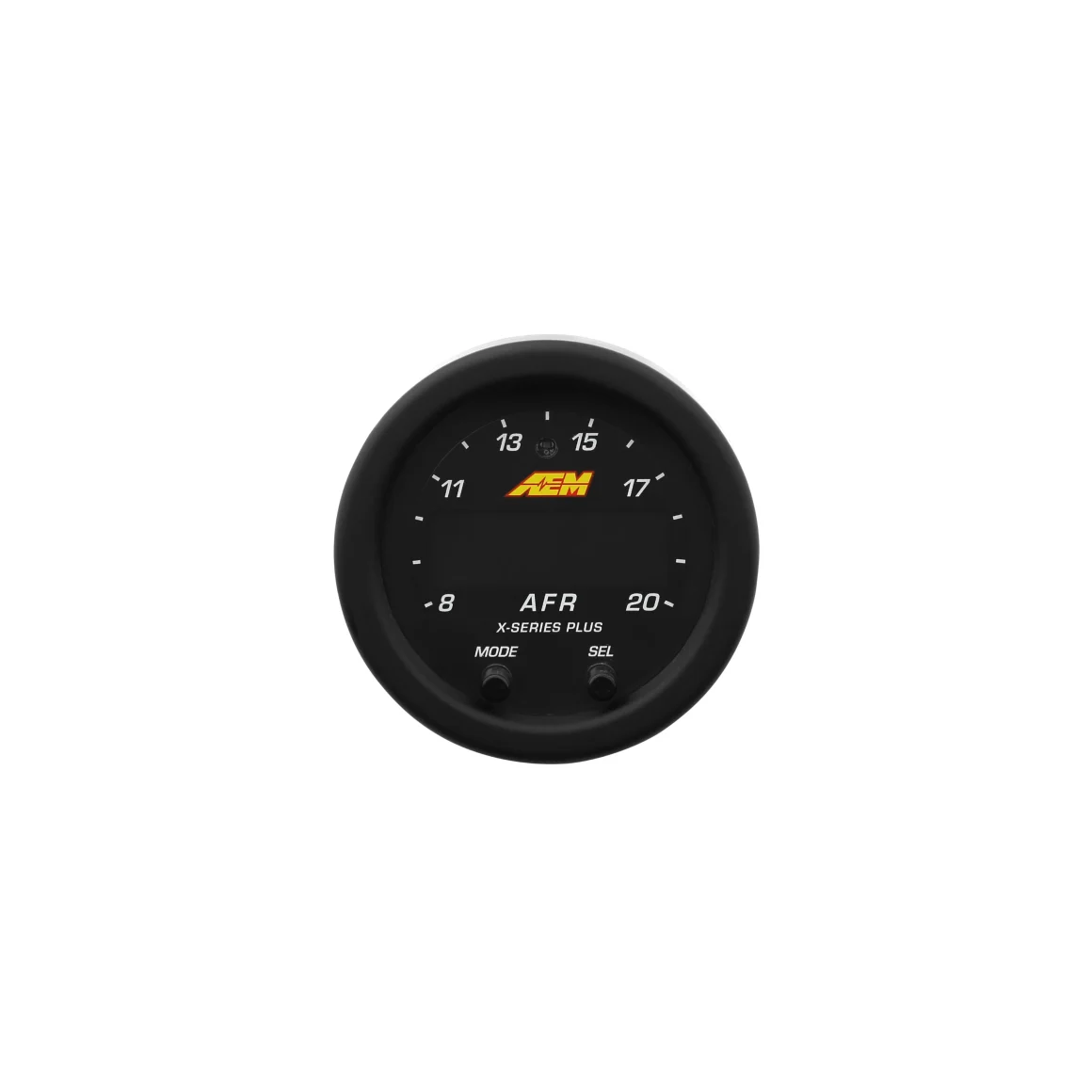
The combination of improved sensor protection, faster response, and optional pressure compensation makes it a more complete product. The standard X-Series Plus Wideband Kit, part number 30-0500, is listed at US$244.95, with initial shipping estimated for December 15, 2026. The optional backpressure hardware is sold separately. As always, we’d want to see how the updated product performs over time before drawing conclusions about real-world durability.
More Than Just Another Number
Perhaps the most interesting part of this release is that it encourages a conversation among everyday enthusiasts. We think this conversation is long overdue. We’ve spent years discussing boost pressure, air/fuel ratios, ignition timing and horsepower figures. But the relationship between intake pressure, exhaust manifold pressure, engine airflow and turbine efficiency deserves just as much attention.
Especially when you’re trying to extract the maximum performance from a factory turbocharger or a carefully selected combination. The AEM X-Series Plus isn’t going to tell you everything about your engine simply because it supports backpressure compensation. But it’s another reminder that accurate tuning depends on understanding the measurements we rely on. It also requires knowing when those measurements have limitations.
Sometimes the reason an engine isn’t making more power has little to do with the boost you’re running. Other factors limit power more than boost does.
Interested in the AEM X-Series Plus?
For pricing and regional ordering inquiries, Caribbean enthusiasts can contact Island Performance Services (IPS) directly via WhatsApp at +1 (767) 315-7711.
Mention #ONLYDOM for 5% off your IPS purchase.
Affiliate disclosure: IPS is affiliated with OnlyDominican. Product pricing and availability are subject to confirmation. OnlyDominican has not yet independently tested the new X-Series Plus.